Your First Day with a New HVAC System Startup: What Happens Next
The truck pulls away, the tools are packed, and the old unit is either sitting on the curb or already being hauled off. For many homeowners, that is the moment the stress starts to ease. The installation is done, the house is quiet again, and the real test begins: what happens when a new system is powered up for the first time?
That first day matters more than most people realize. A good startup does not just mean the equipment turns on. It confirms that the AC installation process was done correctly, that airflow is balanced enough to support the system, that the refrigerant charge is in the right range, and that the controls are talking to each other the way they should. It is the point where the HVAC replacement timeline stops being about demolition and installation and starts being about performance.
If you have just scheduled a new system, or you are trying to prepare for AC installation, it helps to know what that first day looks like from the inside. The more clearly you understand the sequence, the easier it is to ask smart questions, catch small issues early, and avoid that uneasy feeling that comes from not knowing whether everything is truly set up right.
The startup is not a quick flip of a switch
A proper new HVAC system startup is a process, not a moment. Yes, the technician will eventually energize the unit and watch it run, but there is a chain of checks that usually comes before and after that point. In the field, a startup often feels a little like a dress rehearsal. The equipment may be brand new, but it still has to prove itself under real operating conditions.
That means the installer will usually verify basic electrical safety, confirm thermostat settings, check line voltage, inspect drains, and make sure the indoor and outdoor components are communicating as expected. Depending on the equipment, there may be more involved setup steps, especially if the system includes variable-speed components, a communicating thermostat, a heat pump, or zoning controls.
The point is not to be ceremonial. The point is to catch the things that would otherwise show up later as nuisance problems. A drain line that slopes the wrong way, a loose low-voltage connection, or a blower setting that is a little off can turn into comfort complaints, callbacks, and unnecessary wear. The first startup is where those issues are most efficiently found.
What usually happens during the first startup visit
The exact sequence depends on the system, the home, and the contractor, but the broad flow is usually familiar. The technician starts by reviewing the installation and confirming that the equipment matches the design. That matters because the HVAC replacement timeline is not just about how long it takes to remove and install the old equipment. It also includes the time needed to verify that the new system is operating within the manufacturer’s expected range.
Then comes the check of the essentials. Power is confirmed, thermostat wiring is inspected, and the indoor and outdoor units are examined for anything obvious, such as kinked tubing, unsecured wiring, or missing insulation. The condensate drain is important here, because a system that is cooling properly but draining poorly can still cause damage. A first-day startup is where a technician can often spot a drain issue before it becomes a ceiling stain.
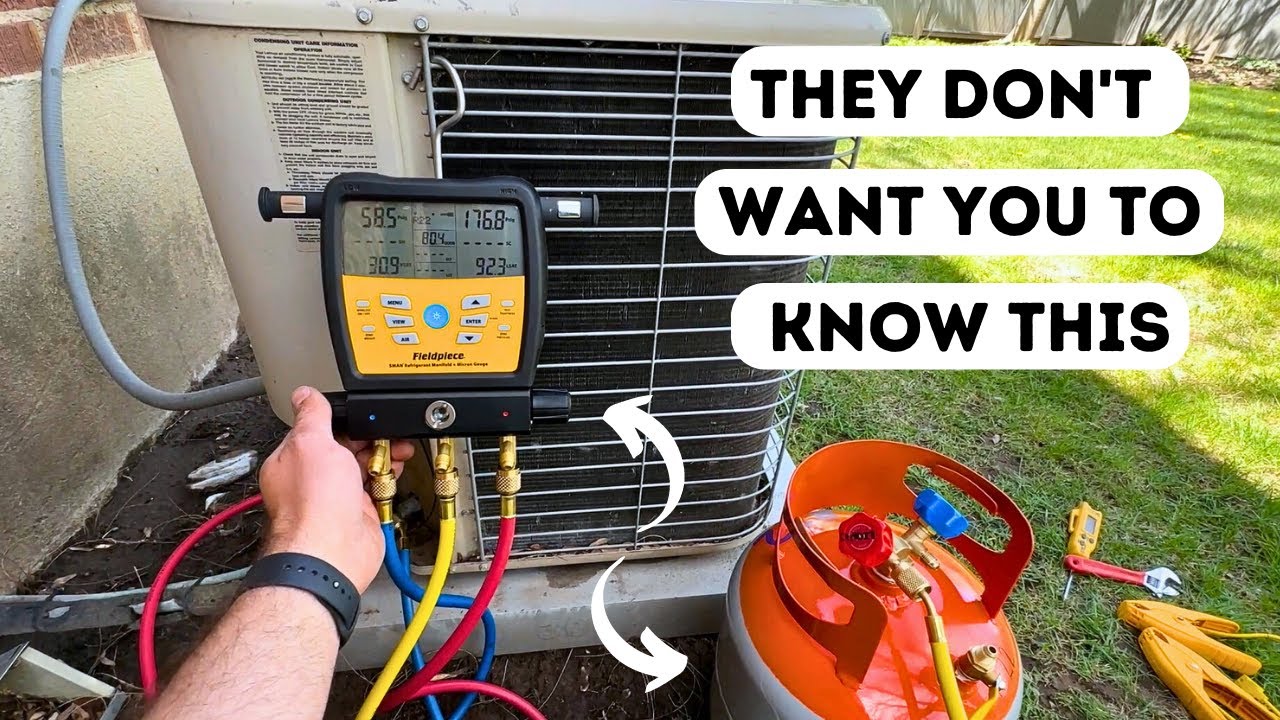
Once the basics are verified, the system is energized and monitored. The installer will listen for unusual noises, check airflow at the supply registers, and look at temperature readings to see whether the equipment is responding appropriately. If the system uses refrigerant, pressure and temperature measurements are part of the picture too, because the charge has to be right for efficiency and reliability. That is one of the reasons a new HVAC system startup is not something to rush through.
There is usually a period of observation after the initial startup. Good technicians do not just assume the system is fine because the air feels cold or warm. They watch it cycle, look for short-cycling, make sure the thermostat is satisfied without overshooting, and confirm that the system shuts down and restarts cleanly. If the home has a new high-efficiency AC or heat pump, this step can matter even more, because these systems are often more sensitive to setup and airflow conditions than older single-stage equipment.
What you may notice as a homeowner
The first day can feel uneventful if everything is going well. That is usually a good sign. You might hear the system start, then feel air moving through the vents a few minutes later. Depending on the weather and the size of the home, the temperature may stabilize gradually rather than all at once. A house that has been warm for days does not always cool quickly, even with a properly sized system. Patience matters here.
You may also notice a few things that are normal and do not indicate trouble. New equipment can have a light manufacturing smell the first time it runs, especially if the system has not been fully exercised yet. Registers may feel different from room to room because the new system is moving air more consistently than the old one did, which can expose preexisting duct issues or balancing problems. A quieter system can also make normal operation feel odd at first, because many homeowners are used to the noise of an older unit laboring in the background.
What should not happen is equally important. Strong electrical odor, loud banging, persistent grinding, water dripping where it should not, or a system that refuses to maintain temperature are signs that the startup needs attention. A little patience is healthy. Ignoring a real problem is not.
The role of the installer after the equipment starts
This is where a lot of people misunderstand the AC installation process. They think the installation ends when the cabinet is screwed shut and the system powers on. In practice, a solid installer still has work to do after the first startup. The startup data tells them whether their design assumptions are holding up in your house.
For example, if the indoor blower is aircon emergency repair moving too much or too little air, the technician may need to adjust settings to match the static pressure and duct layout. If the refrigerant readings are not where they should be, the system may need further diagnosis rather than a simple top-off or guesswork. If the thermostat is placed poorly, the system may be responding to the wrong temperature signal. These are not rare, dramatic failures. They are the everyday details that separate a comfortable home from one that is technically “installed” but not really dialed in.
Many reputable contractors will also talk through maintenance basics before they leave. That may include filter changes, thermostat operation, and what signs to watch for during the first week. If there is a warranty registration or a follow-up visit included in the job, they should explain that too. A good contractor treats the startup as the beginning of the system’s life in your home, not the end of the project.
How long the first day can take
People often ask how long the HVAC replacement timeline really is, and the honest answer is that it varies. The removal and installation phase might take most of a day for a straightforward replacement, or longer if duct changes, electrical updates, or difficult access are involved. The startup and commissioning portion can take another chunk of time, especially if the contractor is being careful and doing it right.
For a basic residential system, the first startup and verification may take anywhere from an hour to several hours after installation is complete. If the system is more complex, or if the technician finds something that needs adjustment, the process can stretch longer. That is not necessarily a bad thing. A startup that takes more time because the contractor is checking readings and making corrections is usually preferable to one that is over in fifteen minutes.
There is also the human factor. If the home is very hot or very cold, the technician may need to wait and observe for longer to see how the system behaves under load. On extremely humid days, a system can appear to cool well but still need time to show whether it is dehumidifying properly. That is part of the real-world variability that makes experience matter.
Things worth asking before the crew leaves
A homeowner does not need to become a technician to benefit from a few practical questions. The best questions are the ones that help you understand whether the system was set up correctly and what you should expect next.
You can ask whether the startup readings looked normal, whether the thermostat is programmed properly, and whether there are any adjustments still planned. It is also reasonable to ask about filter size and change intervals, the location of the condensate drain, and whether you should expect any follow-up visit. If your contractor changed equipment type, such as moving from a single-stage system to a variable-speed one, ask how that changes day-to-day operation.
This is also a good time to clarify any oddities that were present before the new unit was installed. Sometimes the replacement system reveals issues in the ductwork, insulation, or home envelope that were already affecting comfort. If one room was always hot before, the new system may improve it somewhat, but not completely. That is not a failure of the equipment. It is the kind of trade-off an experienced contractor should be willing to discuss honestly.
A short homeowner checklist for the first day
If you want a simple way to stay organized, keep your attention on a few practical checks: confirm the thermostat settings, look for normal airflow from several registers, listen for unusual noise during startup, check that there is no water around the indoor unit, and make sure you know who to call if something seems off. That is usually enough to catch early issues without turning the day into an inspection you do not need to perform yourself.
When the system does not behave as expected
Not every first startup is smooth. Sometimes the problem is small and easily corrected. A thermostat wire may be loose. A float switch may be tripped because of a drain issue. An outdoor disconnect may not have been fully set. These are the kinds of things an installer can usually diagnose quickly.
Other times, the issue points to a deeper concern. Poor airflow may indicate duct restrictions, a blower setting mismatch, or an installation that did not account for the home’s static pressure. A refrigerant problem may suggest a leak, a charging error, or a connection that needs to be corrected. A system that cycles too quickly may be oversized, or it may be reacting to control settings that need adjustment.
It helps to remember that a new system does not automatically erase every comfort problem in the house. Sometimes homeowners expect the replacement to feel dramatic in every room, but the building itself still matters. Insulation, return air paths, sun exposure, and duct design all influence performance. Good contractors know this and explain it plainly. Less careful ones pretend every complaint can be solved by bigger equipment, which is rarely the answer.
What a solid startup says about the installation
A good startup tells you a lot about the quality of the work that preceded it. If the system starts quietly, reaches target temperatures without drama, drains properly, and holds steady through normal cycling, that is a strong sign the installation was handled with care. The equipment should feel almost boring in the best possible way. It should work without calling attention to itself.
That said, even a strong first day is not the end of the story. The next several days matter too. Temperature swings, humidity levels, and runtime patterns can reveal details that are easy to miss in the first hour. Homeowners sometimes notice that a system seems fine at noon but behaves differently in the evening when the house has absorbed more heat. That is why some contractors schedule a follow-up or encourage customers to report anything unusual during the first week.
From a professional standpoint, this is one reason I trust systems more after they have been observed through a full range of conditions. A startup on a mild day is useful, but a system that also holds up during peak afternoon load tells a more complete story. Experience teaches you not to overreact to every little fluctuation, but also not to dismiss them.
Preparing for the next few days
Once the startup is complete, your job is mostly to observe rather than interfere. Give the system time to settle into its normal rhythm. Keep the thermostat settings steady for a bit instead of constantly changing them. Replace the filter on schedule, or sooner if the installer advises it. Watch the drain area and listen for anything that sounds different from what the technician described.
If your home was especially uncomfortable before the replacement, take note of how each room feels across a few different times of day. The first day is useful, but the second and third days often show whether the system and ductwork are working together the way they should. If something seems off, it is better to mention it promptly while the installation is still fresh in everyone’s mind.
A new system should give you confidence, not a new set of mysteries. When the AC installation process is done well, the startup is calm, methodical, and informative. When it is done poorly, the first day often exposes what was rushed or overlooked. That is why the best contractors do not HVAC Contractor treat startup as an afterthought. They treat it as the proof of the job.
For homeowners, understanding that sequence takes a lot of pressure off the experience. You know what is normal. You know what deserves attention. And if you are ever preparing for AC installation again, you will know that the real finish line is not when the equipment is mounted. It is when the new HVAC system startup has been checked, verified, and allowed to prove itself in your home.
Phone:
(863) 247-0271
Website:
icecoolinghvac.com
Indoor Climate Experts
296 Lake Smart Circle,
Winter Haven,
FL
33881